Blog

  • History of Kunjapuri Devi Temple

    History of Kunjapuri Devi Temple

    Mythology Meets Majesty

    A Mythical Tale

    Kunjapuri Devi Temple holds a significant place in Hindu mythology as one of the 52 Shakti Peethas. It is believed to mark the spot where a piece of Goddess Sati’s chest fell during Lord Shiva’s Tandava. This divine connection makes the temple a sacred site, attracting devotees seeking blessings and peace.

    Architectural Simplicity

    The temple’s architecture is simple yet powerful, allowing its spiritual energy and scenic location to take center stage. As you ascend the steps to the temple, you are greeted by an air of tranquility that prepares you for a divine experience.

    Sunrise at Kunjapuri Temple: A Spectacle of Nature

    A View to Remember

    Witnessing the sunrise at Kunjapuri Temple is a surreal experience. As the first rays of sunlight bathe the snow-clad peaks of the Himalayas, including Nanda Devi and Chaukhamba, the view feels like a divine blessing. This awe-inspiring moment is worth the early wake-up call and the journey uphill.

    Best Time for Sunrise

    The ideal time to visit the temple for sunrise is between 5:00 AM and 6:00 AM, depending on the season. Arriving early allows you to find a peaceful spot and soak in the serene atmosphere.

    How to Reach Kunjapuri Devi Temple

    1. By Road: Located 25 km from Rishikesh, the temple is accessible via a scenic drive through winding mountain roads.
    2. By Trek: Adventure enthusiasts can opt for a 7 km trek from Hindolakhal, offering picturesque views of the surrounding landscapes.
    3. By Public Transport: Local taxis and shared jeeps frequently ply between Rishikesh and Kunjapuri, making it an affordable travel option.

    Places Near Kunjapuri Devi Temple

    1. Neer Garh Waterfall: A serene cascade located en route, perfect for nature lovers.
    2. Rishikesh Town: Explore iconic attractions like Lakshman Jhula and Triveni Ghat.
    3. Vashishta Cave: A peaceful meditation spot steeped in history.
    4. Surkanda Devi Temple: Another sacred Shakti Peeth located nearby.

    Why Visit Kunjapuri Devi Temple?

    A Spiritual and Scenic Retreat

    Kunjapuri Devi Temple offers a unique combination of spiritual fulfillment and natural beauty. Whether you’re praying for blessings or capturing the stunning vistas, the experience is soul-enriching.

    A Photographer’s Paradise

    From the vibrant sunrise to the panoramic views of the Himalayas and the Ganges valley, the temple is a dream destination for photographers.

    Conclusion: Kunjapuri Devi Temple – A Divine and Scenic Escape

    Kunjapuri Devi Temple Rishikesh is a place where divinity meets nature in perfect harmony. With its mythological significance, awe-inspiring sunrise views, and serene surroundings, it promises a transformative journey for all who visit. Whether you’re seeking spiritual solace or a moment of natural wonder, this temple is an unmissable gem in the heart of the Himalayas.
  • Swarg Ashram Rishikesh

    Swarg Ashram Rishikesh

    A Gateway to Spiritual Bliss

    Introduction: Discover the Tranquil Essence of Swarg Ashram

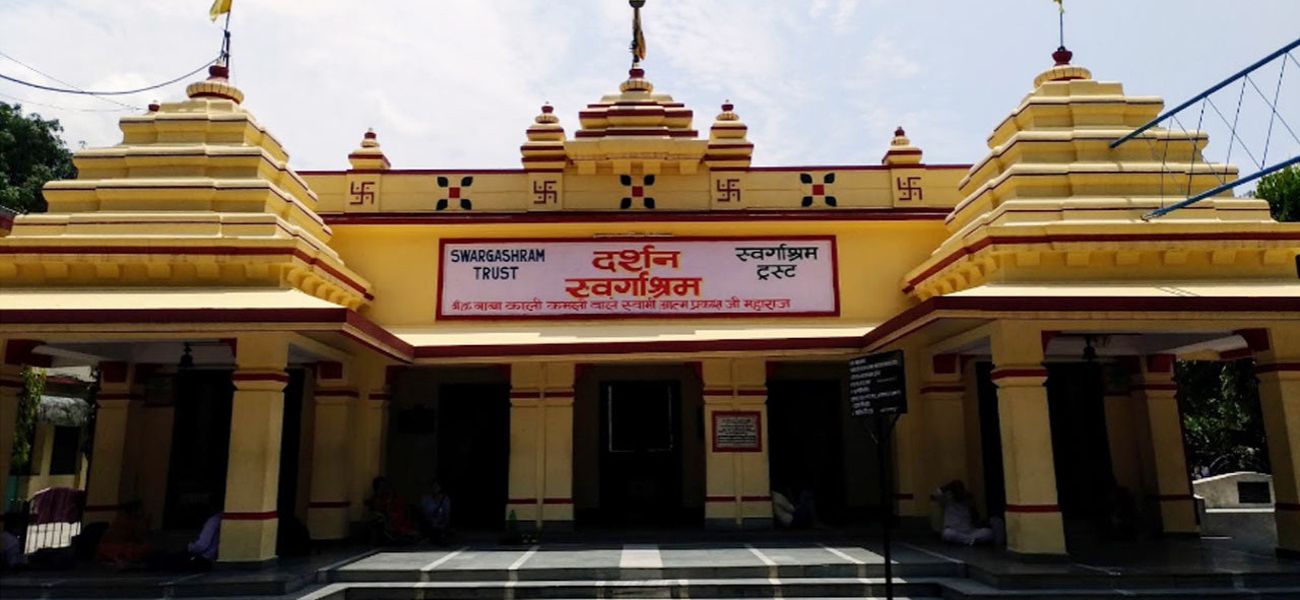
    Located in the spiritual haven of Rishikesh, Swarg Ashram Rishikesh is a serene retreat designed to nurture the body, mind, and soul. Perched on the banks of the holy Ganges, this ashram is a hub for yoga, meditation, and soulful rejuvenation. Whether you’re a seeker of peace or a curious traveler exploring Rishikesh’s spiritual heart, Swarg Ashram offers an experience that lingers long after your visit.

    History of Swarg Ashram: A Legacy of Devotion

    A Tribute to Spiritual Pioneers

    Swarg Ashram, one of the oldest ashrams in Rishikesh, was built in memory of Swami Vishudhanand, also known as Kali Kamli Wala. Established as a retreat for spiritual seekers, the ashram has served as a sanctuary for countless devotees and practitioners of yoga and meditation over the decades.

    An Enduring Legacy

    The ashram’s peaceful atmosphere and timeless charm make it a cornerstone of Rishikesh’s spiritual landscape. It stands as a testament to the ashram’s commitment to providing a space for inner transformation and self-discovery.

    Yoga and Meditation at Swarg Ashram

    A Hub for Inner Peace

    Swarg Ashram is renowned for its yoga and meditation programs, drawing practitioners from around the globe. Whether you’re a beginner or an experienced yogi, the ashram offers guided sessions that help align your physical and spiritual energies.

    Daily Schedules for Harmony

    Start your day with yoga by the Ganges and end with calming meditation sessions under the starry sky. The ashram’s structured routine is designed to help you connect with your inner self while embracing the healing vibrations of the sacred river.

    Swarg Ashram Timings and Accessibility

    • Timings: Open from 5:00 AM to 9:00 PM, making it accessible for early risers and evening seekers alike.
    • Entry Fee: Free entry for all, but donations are welcome to support the ashram’s activities.
    • Best Time to Visit: October to February, when the weather is cool and pleasant for outdoor activities.

    Places to Visit Near Swarg Ashram

    1. Parmarth Niketan Ashram: Known for its evening Ganga Aarti and spiritual ambiance.
    2. Lakshman Jhula: A legendary suspension bridge steeped in mythology.
    3. Triveni Ghat: Witness the soulful Ganga Aarti at this serene riverside spot.
    4. Beatles Ashram: Dive into creativity and spirituality at this historic retreat.
    5. Neelkanth Mahadev Temple: A revered temple dedicated to Lord Shiva, nestled in the nearby hills.

    Why Visit Swarg Ashram?

    A Retreat for the Soul

    Swarg Ashram is a sanctuary for those looking to escape the hustle of daily life. It offers a tranquil environment where you can focus on spiritual growth, practice mindfulness, and reconnect with nature.

    A Cultural and Spiritual Hub

    From learning ancient yogic practices to exploring Rishikesh’s vibrant spiritual culture, Swarg Ashram serves as a bridge between tradition and modern spirituality.

    Conclusion: Swarg Ashram – A Spiritual Gem in Rishikesh

    Swarg Ashram Rishikesh is more than just a destination; it’s a journey into the depths of peace, harmony, and self-discovery. With its rich history, transformative yoga programs, and proximity to iconic attractions, it is a must-visit for anyone looking to experience the spiritual essence of Rishikesh.

  • Neelkanth Mahadev Temple Rishikesh

    Neelkanth Mahadev Temple Rishikesh

    A Divine Journey to Lord Shiva’s Abode

    Introduction: Where Mythology Meets Majesty

    Nestled in the serene hills of Rishikesh, Neelkanth Mahadev Temple Rishikesh Neelkanth Mahadev Temple Rishikeshis a sacred haven for devotees of Lord Shiva. Surrounded by dense forests and perched at an altitude of 1,330 meters, this temple is not only a spiritual epicenter but also a testament to India’s rich cultural heritage. Whether you’re drawn by its mythological significance or the tranquil beauty of its location, Neelkanth Mahadev Temple offers an unforgettable experience.

    History of Neelkanth Mahadev Temple: A Mythical Origin

    The Churning of the Ocean

    The temple’s history is deeply rooted in Hindu mythology. It is believed to be the spot where Lord Shiva consumed the venom (Halahala) that emerged during the Samudra Manthan (churning of the ocean) to save the world. The venom turned Shiva’s throat blue, earning him the name “Neelkanth,” meaning “Blue Throat.” This temple stands as a sacred tribute to this selfless act of the Mahadev.

    Architectural Splendor

    The temple’s intricate carvings and colorful depictions of mythological stories make it a visual delight. The main sanctum, adorned with the Shivalinga, exudes an aura of divinity that captivates every visitor.

    Key Details for Visitors

    Neelkanth Temple Timings

    • Opening Hours: The temple is open daily from 5:00 AM to 7:00 PM.
    • Best Time to Visit: Mornings and evenings are ideal for avoiding crowds and experiencing the serene ambiance.

    How to Reach Neelkanth Mahadev Temple

    1. By Road: The temple is located 32 km from Rishikesh. You can hire a taxi or drive along the scenic route through lush forests.
    2. By Trek: For adventure enthusiasts, a 12 km trek from Ram Jhula offers breathtaking views and a closer connection with nature.
    3. By Public Transport: Regular buses and shared jeeps operate from Rishikesh to the temple.

    Places Near Neelkanth Mahadev Temple

    1. Phool Chatti Waterfall: A serene spot for nature lovers, located nearby.
    2. Lakshman Jhula: An iconic suspension bridge offering spiritual and scenic allure.
    3. Beatles Ashram: Dive into history and art at this legendary retreat.
    4. Rajaji National Park: Explore wildlife and lush greenery just a short drive away.

    Why Visit Neelkanth Mahadev Temple?

    Spiritual Significance

    The temple is a beacon of devotion, drawing thousands of pilgrims each year. Festivals like Maha Shivaratri witness grand celebrations, amplifying its spiritual charm.

    Natural Beauty

    Surrounded by verdant hills and cascading streams, the temple’s location is as captivating as its history. The journey itself, whether by road or trek, is a tranquil escape from the chaos of urban life.

    Conclusion: A Journey Worth Taking

    A visit to Neelkanth Mahadev Temple Rishikesh is more than a pilgrimage; it’s an immersion into mythology, spirituality, and nature’s splendor. From its rich history and architectural beauty to the serene landscapes surrounding it, this sacred site promises a divine experience that lingers in your heart long after you leave.

  • Parmarth Niketan Rishikesh

    Parmarth Niketan Rishikesh

    A Spiritual Oasis on the Banks of the Ganges

    Introduction: Where Peace Meets Spirituality

    Nestled along the serene banks of the holy Ganges,ccParmarth Niketan Rishikesh is a haven for those seeking inner peace, spiritual growth, and rejuvenation. As one of the largest ashrams in Rishikesh, it offers a unique blend of ancient Indian traditions and modern wellness practices, making it a must-visit destination for seekers and travelers worldwide.

    The History of Parmarth Niketan

    Founded in 1942, Parmarth Niketan has become a cornerstone of spirituality in Rishikesh. With its deep roots in Indian culture and spiritual teachings, the ashram has evolved into a global hub for yoga, meditation, and Vedic learning.

    Experiences at Parmarth Niketan

    1. Yoga Retreats at Parmarth Niketan

    The ashram is renowned for its comprehensive yoga programs, catering to everyone from beginners to advanced practitioners. These retreats are designed to harmonize the mind, body, and soul.

    2. Parmarth Niketan Ganga Aarti

    One of the ashram’s most iconic events, the Ganga Aarti, is an ethereal experience. Witness the sacred river illuminated by hundreds of lamps as devotional hymns fill the air—a spectacle of spirituality and devotion that leaves an everlasting impact.

    3. Ashram Stay

    Experience simplicity and serenity with a Parmarth Niketan Ashram stay. The ashram offers comfortable accommodations and nutritious meals, encouraging a lifestyle of mindfulness and gratitude.

  • Ram Jhula Rishikesh

    Ram Jhula Rishikesh

    The Iconic Suspension Bridge Connecting Spirituality and Serenity

    Introduction: A Walk Through History, Spirituality, and Scenic Beauty

    Ram Jhula, a majestic suspension bridge spanning the sacred Ganges in Rishikesh, is much more than a means of transportation. It’s a historical landmark, a spiritual hub, and a gateway to the enchanting world of yoga, meditation, and breathtaking landscapes. This architectural marvel symbolizes the serene beauty and spiritual essence that Rishikesh is celebrated for, making it a must-visit for travelers and seekers alike.

    The History of Ram Jhula: Bridging Legends and Modernity

    A Divine Connection

    The origins of Ram Jhula are deeply rooted in Indian mythology. It is believed that Lord Rama and his brother Laxman crossed the Ganges at this very spot during their exile, leaving behind a tale that resonates with divine grace. Built in 1986, the bridge was designed to connect the spiritual and practical aspects of Rishikesh, offering a seamless passage between the eastern and western banks of the river.

    Architectural Marvel

    The Ram Jhula suspension bridge is a masterpiece of engineering. Measuring 750 feet in length, it is crafted entirely of iron and suspended high above the flowing Ganges, offering breathtaking panoramic views of the river, temples, and ashrams.

    Ram Jhula Attractions: Discover the Allure

    1. Ashrams of Rishikesh

    Ram Jhula is flanked by some of the most renowned ashrams in India:

    • Parmarth Niketan Ashram: Famous for its Ganga Aarti, yoga, and spiritual retreats.
    • Shivananda Ashram: A tranquil spot to meditate and learn yoga.

    2. The Bustling Market Scene

    The markets near Ram Jhula are a treasure trove of handicrafts, jewelry, spiritual artifacts, and books on yoga and meditation. It’s the perfect spot to shop for souvenirs while soaking in the local vibe.

    3. Café Culture with a View

    Dotted with quaint cafes offering local and international cuisines, Ram Jhula is a paradise for foodies. Relish a steaming cup of chai or savor global flavors while enjoying spectacular views of the river.

    4. Photography Hotspot

    From sunrise to sunset, Ram Jhula serves as a stunning backdrop for photographers. The golden hues of the sun reflecting on the Ganges create postcard-worthy shots.

    Places to Visit Near Ram Jhula

    1. Triveni Ghat: A serene spot known for its soulful evening Ganga Aarti.
    2. Lakshman Jhula: The iconic sibling bridge of Ram Jhula, steeped in mythology and adventure.
    3. Beatles Ashram: Dive into the world of music and meditation at this legendary retreat.
    4. Neelkanth Mahadev Temple: A revered temple dedicated to Lord Shiva, offering divine blessings.
    5. Gita Bhavan: A sanctuary for devotees, offering spiritual discourses and a peaceful ambiance.

    Ram Jhula: A Hub of Adventure and Serenity

    Spiritual Retreats

    Ram Jhula is the gateway to Rishikesh’s renowned yoga and meditation centers. Participate in spiritual retreats or take a dip in the holy Ganges for a rejuvenating experience.

    Adventure at Its Best

    For thrill-seekers, Ram Jhula offers access to some of the best river rafting experiences. You can also explore trekking trails that lead to hidden waterfalls and lush forests

    Timings and Accessibility

    Practical Information for Visitors

    • Open Hours: Ram Jhula is accessible 24/7, allowing visitors to experience its charm at any time of the day.
    • Entry Fee: Free for all, making it an inviting attraction for budget travelers.
    • Best Time to Visit: The ideal period is between October and February when the weather is pleasant, and the surroundings are vibrant.

    Tips for Visitors

    • Wear comfortable footwear, as you’ll likely walk a lot.
    • Visit early in the morning to enjoy the peace and avoid crowds.
    • Don’t forget your camera to capture the mesmerizing views.

    Why Ram Jhula Holds Timeless Appeal

    A Blend of Mythology and Modernity

    Ram Jhula is a testament to the harmonious coexistence of ancient traditions and contemporary infrastructure. The bridge is both a functional structure and a spiritual symbol, uniting people and cultures.

    A Journey Through Time

    Walking across Ram Jhula feels like stepping into history, where every footstep echoes with stories of divine interventions and cultural evolution.

    A Place for Everyone

    Whether you’re a pilgrim, a backpacker, or a family traveler, Ram Jhula has something for everyone. Its versatile charm caters to the spiritual, adventurous, and contemplative aspects of every visitor.

    Conclusion: Ram Jhula – More Than a Bridge

    Ram Jhula is more than just an iron suspension bridge; it’s a lifeline of Rishikesh, connecting not only the two banks of the Ganges but also people, cultures, and philosophies. It’s a place where mythology comes alive, spirituality flourishes, and nature unveils its pristine beauty. Whether you’re seeking inner peace, breathtaking views, or a taste of adventure, Ram Jhula promises an experience like no other.

  • Laxman Jhula Rishikesh

    Laxman Jhula Rishikesh

    The Timeless Charm of a Legendary Suspension Bridge

    Introduction: A Bridge Between Spirituality and Scenic Splendor

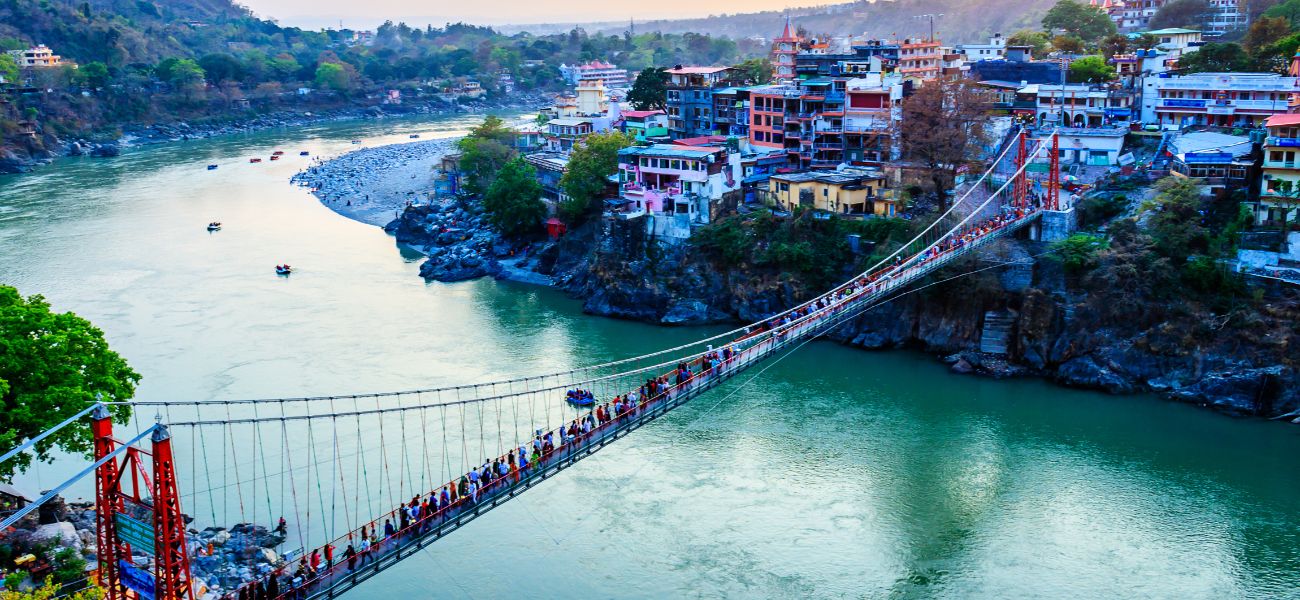
    Perched gracefully over the holy Ganges River, Laxman Jhula Rishikesh is more than just a suspension bridge; it’s a symbol of spirituality, history, and adventure. This iconic structure has stood the test of time, serving as a gateway to the mystic land of Rishikesh. Whether you’re a history buff, a spiritual seeker, or an adventure enthusiast, Laxman Jhula offers an unforgettable experience steeped in cultural richness and natural beauty.

    The History of Laxman Jhula: A Mythical Beginning

    A Tale of Divine Heritage

    The origins of Laxman Jhula are rooted in ancient Indian mythology. Legend has it that Lord Laxman, the younger brother of Lord Rama, crossed the Ganges at this very spot using a jute rope. To honor this divine act, the British constructed a suspension bridge in 1929, replacing the traditional rope and creating the architectural marvel we see today.

    Architectural Splendor

    The Laxman Jhula suspension bridge, with its 450-foot span, is an engineering feat. Suspended high above the river, it offers a breathtaking view of the flowing Ganges, surrounded by lush greenery and distant hills. Walking across this bridge feels like a journey through history and mythology.

    What Makes Laxman Jhula a Must-Visit Landmark?

    Spiritual Significance

    Laxman Jhula isn’t just a bridge; it’s a spiritual conduit. The bridge connects two major ashrams—Swarg Ashram and Sivananda Ashram—making it a hub for meditation and yoga practitioners from around the globe.

    Thrilling Adventures

    Walking across the swaying suspension bridge is an exhilarating experience, especially as the wind whistles past and the river roars below. For the adventurous at heart, it’s an unmissable thrill.

    Photographic Paradise

    The bridge is a dream come true for photography enthusiasts. With the Ganges sparkling below and the majestic Himalayan foothills in the backdrop, every shot captures the essence of Rishikesh.

    Exploring Places to Visit Near Laxman Jhula

    1. Tera Manzil Temple (Trimbakeshwar Temple): A towering 13-story temple near the bridge, offering panoramic views and spiritual solace.
    2. Neer Garh Waterfall: A serene escape into nature, located a short trek away.
    3. Beatles Ashram: Dive into history and art at this iconic meditation retreat.
    4. Ram Jhula: The sibling bridge of Laxman Jhula, equally captivating and steeped in history.

    Rishikund: A tranquil pond believed to be blessed by Goddess Yamuna.

    Practical Tips for Visiting Laxman Jhula

    Laxman Jhula Timings and Entry

    • Timings: Open 24 hours, making it ideal for both sunrise seekers and night explorers.
    • Entry Fee: Free entry for all, allowing visitors to immerse in its beauty without constraints.

    Best Time to Visit

    The ideal time to explore Laxman Jhula is during the winter months (October to February) when the weather is pleasant, and the surroundings are lush and vibrant.

    Things to Do at Laxman Jhula

    1. Yoga and Meditation: Join a session at nearby ashrams for a rejuvenating experience.
    2. Shop Local: Explore the bustling markets around the bridge for souvenirs, jewelry, and spiritual artifacts.
    3. Café Hopping: Relish local and international cuisines at quaint cafes overlooking the Ganges.

    River Rafting: Combine your visit with an adrenaline-pumping rafting adventure on the Ganges.

    Why Laxman Jhula is a Timeless Attraction

    A Blend of Mythology and Modernity

    Laxman Jhula seamlessly merges ancient legends with contemporary allure. It’s not just a bridge but a living testament to the spirit of Rishikesh—a place where spirituality meets adventure.

    A Symbol of Unity

    The bridge connects two vibrant halves of Rishikesh, fostering unity among people and cultures. Whether it’s pilgrims, tourists, or locals, Laxman Jhula brings everyone together in harmony.

    Conclusion: Laxman Jhula – More Than Just a Bridge

    Laxman Jhula is a journey in itself—a journey through mythological tales, architectural brilliance, and awe-inspiring natural beauty. Whether you’re crossing it to seek spiritual enlightenment, chase an adventure, or simply soak in the panoramic views, this legendary suspension bridge is a must-visit. It’s a place where every step feels like walking through history, every breeze carries whispers of ancient tales, and every view captures the essence of Rishikesh.

  • Exploring the Enigmatic Beatles Ashram in Rishikesh

    Exploring the Enigmatic Beatles Ashram in Rishikesh

    A Journey into Music, Meditation, and Memories

    Introduction: A Melodic Tale of Rishikesh and The Beatles

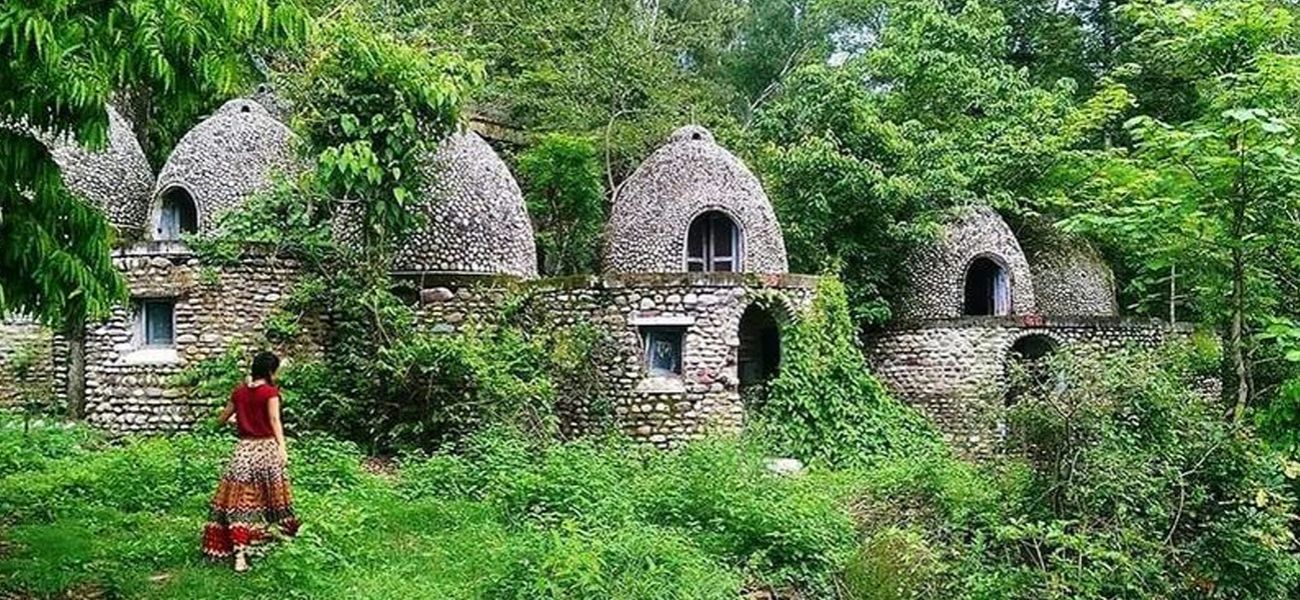
    The Beatles Ashram, also known as Chaurasi Kutiya Rishikesh, is a haven for music, meditation, and nostalgia that continues to enthrall visitors from around the world. Nestled amidst the serene beauty of the Himalayan foothills, this iconic destination resonates with the spirit of The Beatles’ legendary visit to India in 1968. With a history deeply intertwined with Maharishi Mahesh Yogi’s teachings, the ashram is now a captivating retreat for those seeking inner peace, artistic inspiration, and a glimpse into the transformative journey of the Fab Four.

    The Beatles Ashram: A Retreat with a Rhythmic Soul

    The Legacy of The Beatles in India

    In 1968, the world-renowned British band The Beatles ventured to Rishikesh to immerse themselves in the transcendental meditation techniques of Maharishi Mahesh Yogi Ashram. This life-changing experience not only inspired their iconic “White Album” but also introduced millions to the mystical allure of India. The ashram became a cornerstone in Rishikesh Beatles history, marking a cultural and spiritual exchange that remains unparalleled.

    Chaurasi Kutiya Rishikesh: A Mystical Hideaway

    Architecture with Spiritual Vibes

    The ashram’s name, “Chaurasi Kutiya,” translates to “84 huts,” symbolizing the meditation cells where practitioners, including The Beatles, delved deep into self-discovery. The architecture blends natural aesthetics with meditative utility, making it a picturesque site for photography at Beatles Ashram.

    What Makes Beatles Ashram a Must-Visit?

    Things to Do in Rishikesh Beatles Ashram

    1. Meditation Retreat: Channel your inner peace at the meditation halls, where you can practice the transcendental techniques that The Beatles cherished.
    2. Artistic Murals: The ashram’s graffiti-adorned walls are a tribute to The Beatles’ legacy, offering a vibrant canvas for photographers and art lovers alike.
    3. Nature Trails: Wander through lush greenery, listening to the melodic chirping of birds and soaking in the tranquil ambiance.
    4. Photography: The ashram’s rustic charm and colorful murals make it a photographer’s paradise.

    Guided Tours: Enrich your experience with a Beatles Ashram tour, learning fascinating anecdotes about The Beatles’ stay and their creative evolution.

    Practical Information for Visitors

    Beatles Ashram Entry Fee and Timings

    • Entry Fee: The ashram charges a nominal entry fee, which contributes to its maintenance and preservation.
    • Timings: Open from 9:00 AM to 5:00 PM, it’s best visited during the morning hours for serene exploration.

    Tips for a Memorable Visit

    • Wear comfortable footwear for walking trails.
    • Carry a camera to capture the vibrant murals and scenic landscapes.
    • Respect the sanctity of meditation spaces.

    Why the Beatles Ashram Holds a Timeless Charm

    A Place Where Music Meets Meditation

    The Beatles Ashram embodies a harmonious blend of creativity and spirituality. It’s a space where music was born from mindfulness, and the echoes of “Dear Prudence” and “Blackbird” still linger in its quiet corners

    A Global Cultural Landmark

    This retreat isn’t just a spiritual hub but a global symbol of how art and culture transcend boundaries. The Beatles’ journey to Rishikesh introduced Indian spirituality to the Western world, making the ashram an enduring symbol of unity and inspiration.

    Beyond The Beatles: The Modern Relevance of the Ashram

    Today, the Beatles meditation retreat continues to attract artists, musicians, and seekers of tranquility. Whether you’re exploring Rishikesh Beatles history or simply looking for a soulful escape, this retreat offers an unparalleled experience.

    Conclusion: Reliving the Magic of The Beatles Ashram

    The Beatles Ashram in Rishikesh is more than just a historical site—it’s a living, breathing testament to the power of music, meditation, and mindfulness. Whether you’re a fan of The Beatles, a history enthusiast, or a traveler seeking serenity, this iconic retreat promises an unforgettable journey into the heart of spirituality and creativity.